In the aftermath of Philadelphia’s humiliating loss to the San Francisco 49ers, the Eagles weren’t the only ones under scrutiny. As emotions were still raw and the dust hadn’t even settled, Troy Aikman took the microphone — and what followed has now ignited a league-wide backlash.
This wasn’t a breakdown of coverages.
This wasn’t a discussion of play-calling tendencies.
This was a broadcast ambush.
Instead of focusing on football, Aikman reportedly unleashed a relentless critique of Eagles head coach Nick Sirianni that many around the league are now calling excessive, unprofessional, and deeply personal. His tone wasn’t analytical — it was final. His words didn’t diagnose failure — they assigned blame.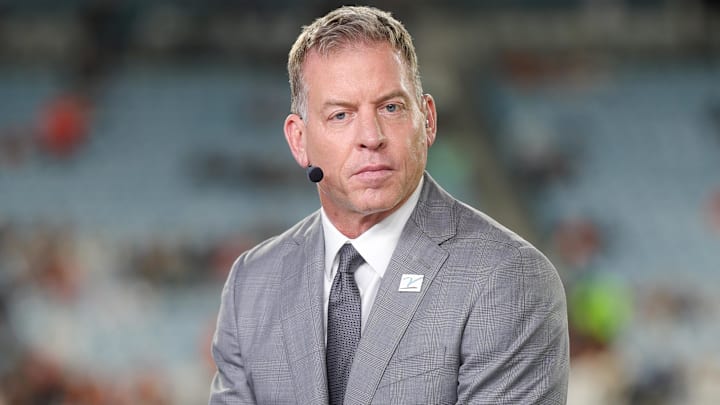
According to multiple observers, Aikman questioned Sirianni’s competence, mocked his sideline demeanor, and framed the Eagles’ collapse as a reflection of the coach himself rather than a collective breakdown. It wasn’t subtle. It wasn’t measured. And it happened while millions were watching.
Criticism is part of the job.
Humiliation is not.
That distinction is exactly why this moment is drawing so much heat. Troy Aikman isn’t just another voice. He’s a Hall of Famer. A Super Bowl champion. One of the most influential broadcasters in the sport. He understands better than anyone that words spoken in that chair don’t disappear — they define narratives, shape reputations, and linger long after the scoreboard fades.
Which is why critics argue this wasn’t accountability — it was ego.
Around the league, coaches, executives, and media insiders are quietly asking the same question: when does “honest commentary” cross into reckless commentary? When does critique stop serving the game and start serving the personality behind the microphone?
Aikman wasn’t in the locker room.
He wasn’t in the team meetings.
He wasn’t managing injuries, morale, or a season’s worth of pressure.
Yet he spoke with absolute finality — as if one ugly night erased an entire body of work.
Plenty of analysts manage to dissect failure without reducing it to character assassination. Plenty hold coaches accountable without making themselves the story. Aikman chose a different path. And in doing so, he shifted the spotlight away from the Eagles’ on-field issues and onto his own conduct.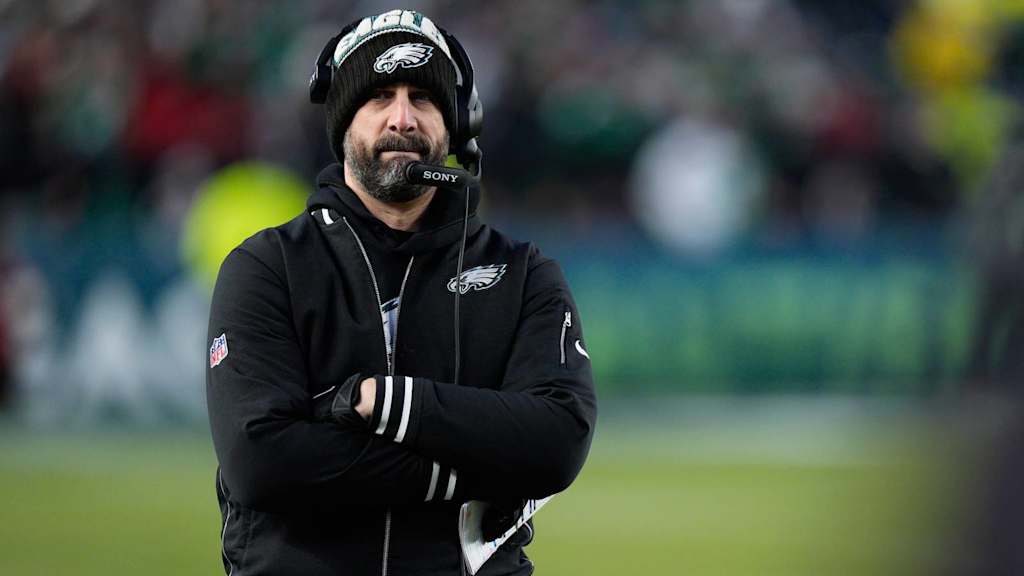
This isn’t about shielding Nick Sirianni from criticism. Coaches are paid to be judged. It’s about demanding professionalism from voices with enormous influence. Because when broadcasters forget the line between critique and contempt, the damage extends beyond one coach or one game.
The credibility of analysis suffers.
The trust of the audience erodes.
And the sport becomes noisier — but not smarter.
Football deserves better than that.
And so does the conversation around it.