After publicly hammering Matthew Stafford for the Rams’ loss to Seattle, Tom Brady is facing a backlash that’s growing louder by the hour. What was framed as “elite analysis” is now being called something else entirely: selective commentary with a clear lean. And fans aren’t buying the neutrality.
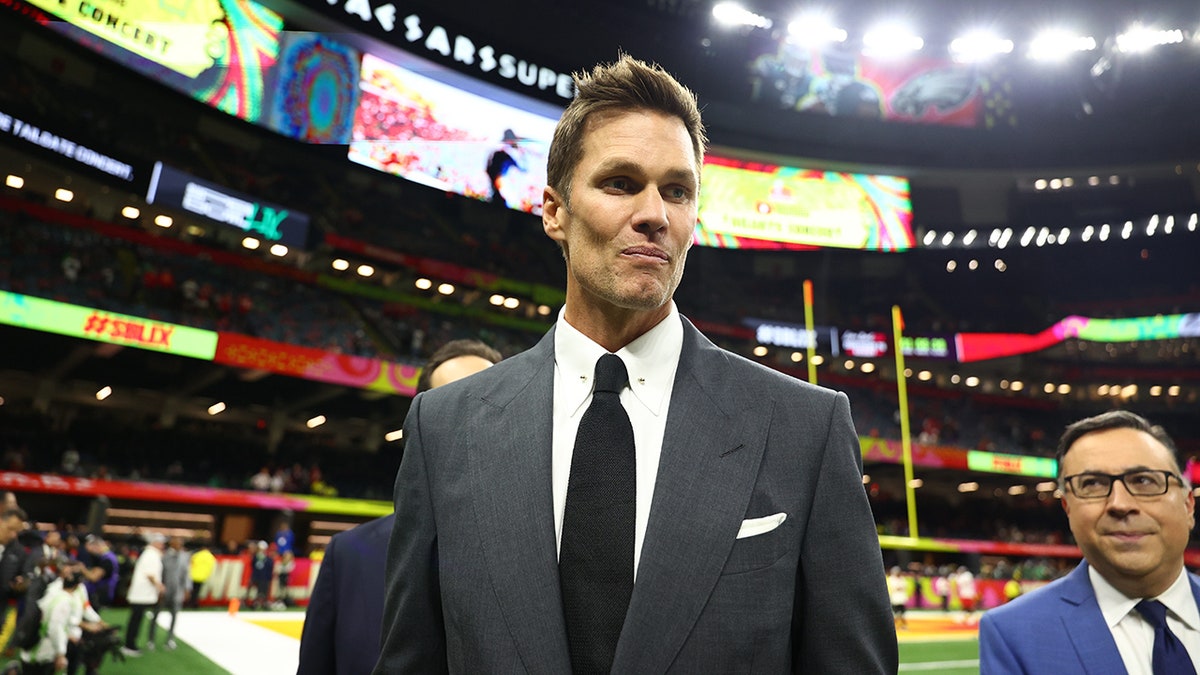
This wasn’t tough love.
This wasn’t quarterback-to-quarterback honesty.
This was alignment.
Throughout the broadcast, viewers noticed the same rhythm repeating. Borderline calls benefiting Seattle? Downplayed or brushed aside. Seahawks miscues? Explained away as “situational football.” Rams mistakes? Amplified, dissected, replayed. And when Stafford struggled under relentless pressure, Brady zeroed in—ignoring the collapsing pocket, ignoring missed blocks, ignoring dropped passes—reducing a complex playoff loss into a one-man indictment.
Former players and analysts quickly pushed back. “That’s not film study,” one said. “That’s narrative building.” Rams supporters erupted online, accusing Brady of protecting Seattle’s image while conveniently placing the blame on the quarterback wearing the wrong helmet. To them, it felt less like analysis and more like brand management.
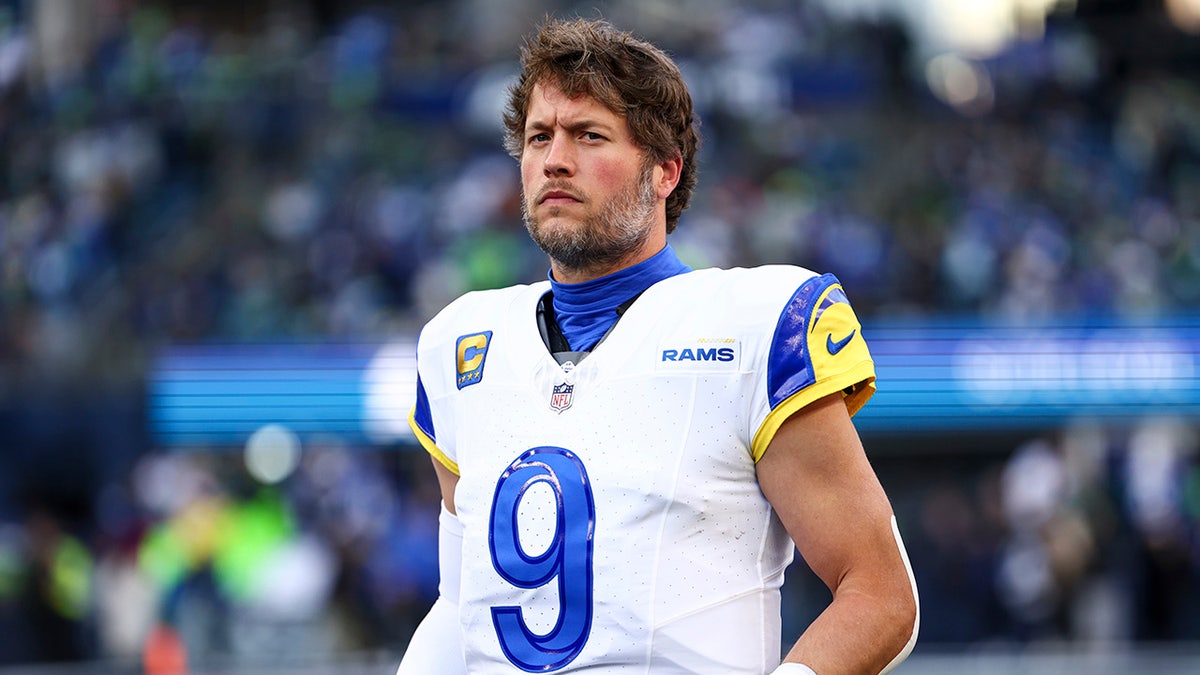
The irony is impossible to miss. Brady built his legendary career demanding fairness—deflecting blame, contextualizing losses, insisting football is never about one player. Yet here, when the moment called for nuance, he stripped it away. Great quarterbacks understand layers: pressure schemes, coverage disguises, protection failures. Brady knows this better than anyone. He just didn’t use it.
This isn’t about Stafford being perfect.
He wasn’t.
It’s about balance.
When the loudest voice in the room keeps leaning one direction, credibility starts to crack. And once fans sense bias, analysis stops sounding like truth—and starts sounding like protection.