Owner Jeffrey Lurie has officially unveiled a staggering $3 billion mega-project to completely transform Lincoln Financial Field into a next-generation stadium, luxury complex, and full-scale entertainment district. Around the league, reactions have gone far beyond admiration. Executives are uneasy. Rival owners are watching closely.
Because this isn’t a renovation.
It’s a power play.
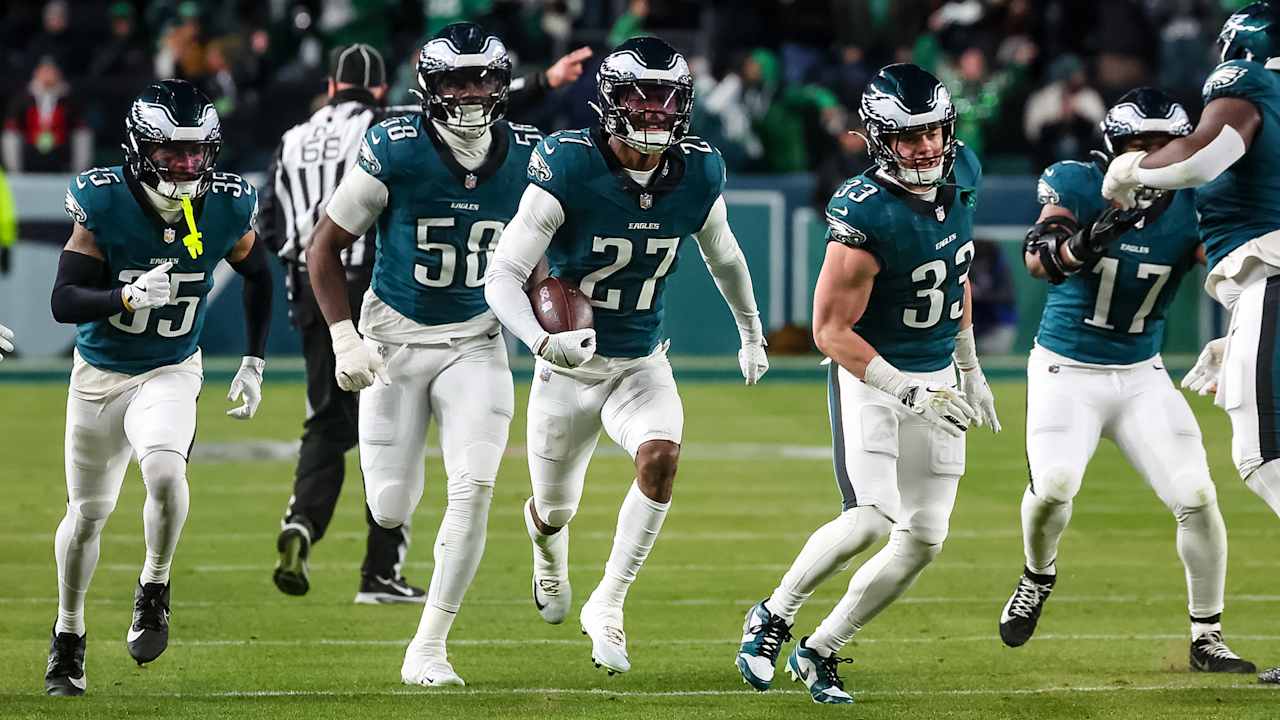
This project signals a shift in how the Philadelphia Eagles intend to operate — not just as a football team, but as a sports-and-entertainment empire. According to team officials, the plan will turn Lincoln Financial Field into a 365-day economic engine, featuring cutting-edge stadium technology, luxury hotels, premium residential concepts, elite retail spaces, immersive fan experiences, and a massive entertainment hub designed to dominate revenue streams year-round.
In modern professional sports, this model isn’t about comfort or aesthetics.
It’s about control.
NFL insiders say this move quietly elevates Philadelphia into a rare tier — alongside global sports superpowers that don’t merely host games, but own entire districts, influence city skylines, and command economic ecosystems far beyond Sundays. This is the blueprint elite franchises chase, and few can afford.
Sources close to Lurie insist the vision goes far beyond football success. This is about locking the Eagles into the NFL’s financial elite for decades, creating leverage that affects everything from player acquisition to coaching stability to long-term brand dominance. When revenue becomes constant, power follows.
But with power comes consequence.
Critics warn that the moment ownership commits $3 billion, expectations transform instantly. Championships stop being dreams. They become obligations. Spending at this level removes excuses and magnifies every failure on the field. The pressure on the football operation will be relentless — from the front office to the coaching staff to the players wearing the helmet.
Around the league, some view this as visionary. Others see it as dangerous. Massive infrastructure projects don’t just reshape franchises — they expose them. When results don’t match ambition, backlash comes faster and louder.
Yet one truth is impossible to ignore.
Philadelphia isn’t rebuilding.
Philadelphia isn’t waiting.
Philadelphia isn’t thinking small.
Philadelphia is claiming territory.
This isn’t about concrete, steel, or glass.
It’s about leverage.
It’s about permanence.
It’s about who controls the future of the NFL — not just on the field, but everywhere else that matters.
And with this move, the Eagles have made one thing unmistakably clear:
They intend to be one of the teams that decide where the league goes next.