The NFL was rocked when word leaked that Jalen Hurts turned down contract offers exceeding $100 million from both the Dallas Cowboys and the Kansas City Chiefs — two franchises defined by ambition, financial muscle, and championship infrastructure. In a league obsessed with leverage, control, and constant movement, Hurts did something almost unthinkable.
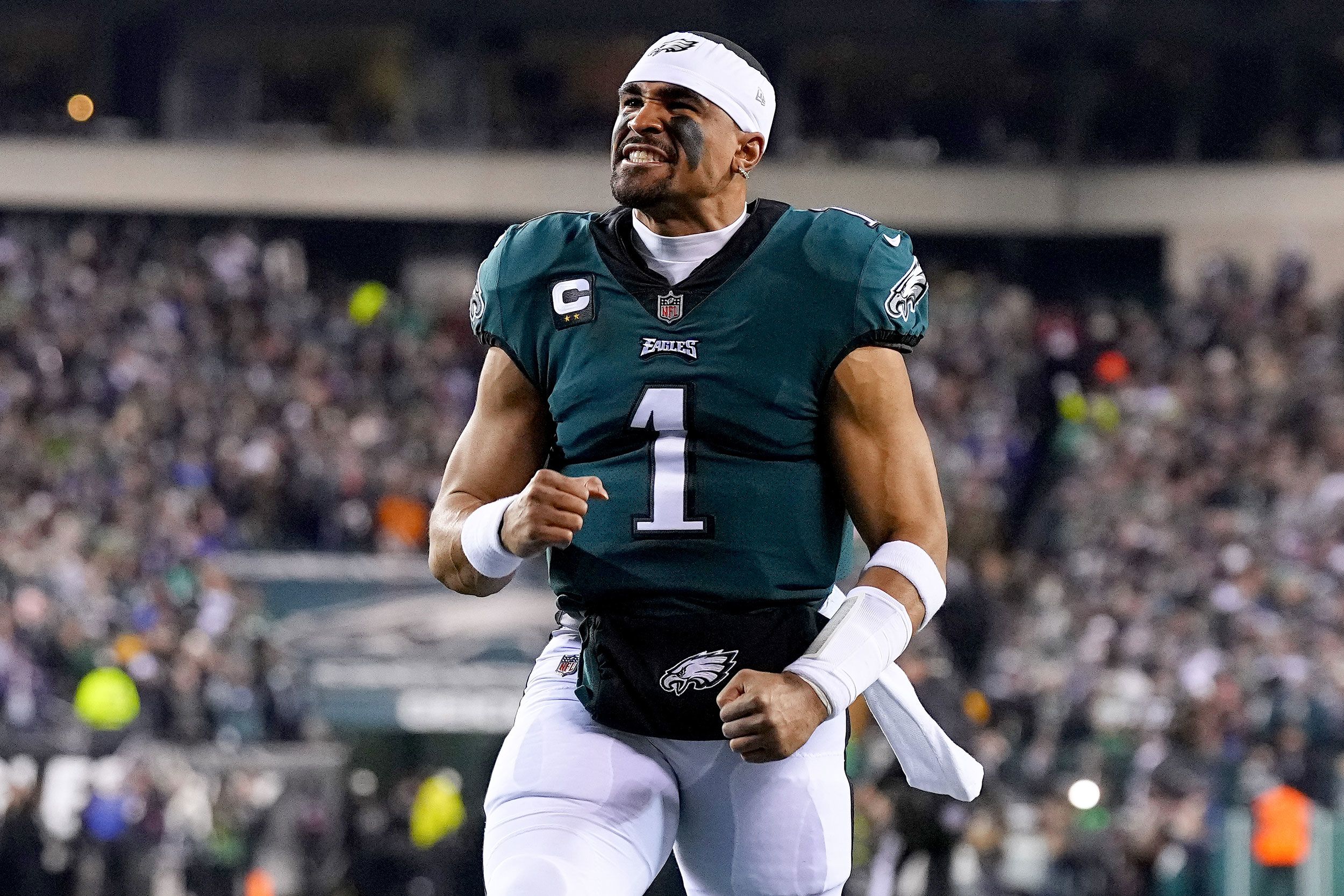
He stayed.
According to league insiders, the offers were not exploratory. They were aggressive. Fully formed. Designed to pull Hurts out of Philadelphia and into ready-made power structures. Dallas viewed Hurts as a franchise-altering weapon — not just a quarterback, but a symbolic strike that would have crippled the Eagles emotionally and strategically. The move would have flipped the NFC East overnight.
Kansas City’s pitch was different — and arguably more dangerous. Stability. Elite infrastructure. A proven championship blueprint. The promise of relevance deep into January, year after year. The money was real. The guarantees were massive. The opportunity was obvious.
Hurts still walked away.
Sources close to the quarterback say the decision wasn’t emotional or rushed. It was calm, calculated, and deeply personal. For Hurts, legacy isn’t portable. It can’t be packed up and transferred to the highest bidder. It’s built where you’re tested — where doubt follows you — where pressure forges identity.
Philadelphia is that place.
From the moment Hurts arrived, skepticism followed him relentlessly. Questions about his arm. His ceiling. His ability to command an NFL offense. Lesser players would have looked for exits. Hurts looked inward. He turned doubt into discipline. Discipline into preparation. Preparation into leadership.
Early mornings.
Late nights.
Relentless accountability.
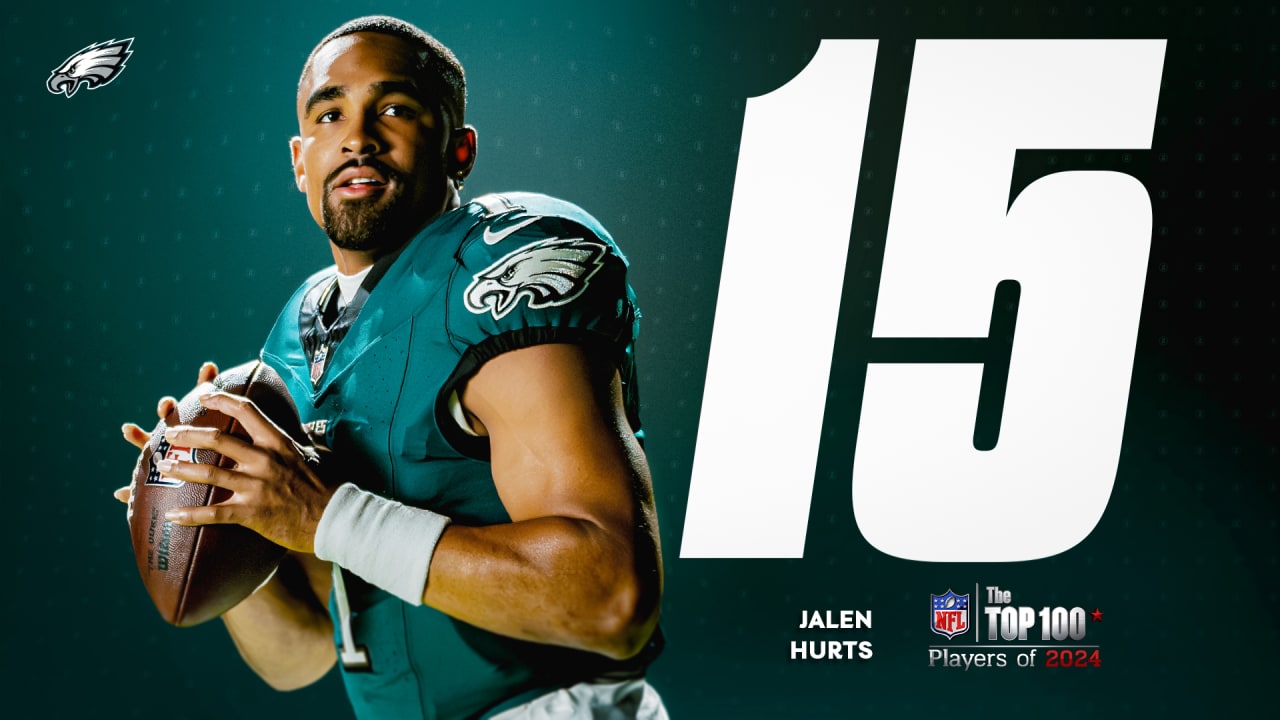
Over time, Hurts evolved into more than a quarterback. He became the emotional and competitive center of the Eagles. The voice players listened to when seasons wobbled. The standard coaches pointed to when effort mattered. He never demanded praise. He earned respect.
Inside the Eagles’ building, the impact of his decision was immediate and profound. Coaches felt reinforced. Teammates felt anchored. Young players felt stability. The front office gained clarity. This wasn’t a contract choice — it was a declaration of identity.
Hurts understands the cost.
By staying, excuses vanish.
Pressure multiplies.
Every failure will echo louder in Philadelphia than it ever would elsewhere.
He accepts that burden willingly.
Turning down $100+ million wasn’t weakness.
It wasn’t stubbornness.
It was defiance.
In a league driven by transactions and short-term power moves, Jalen Hurts chose meaning over money, roots over convenience, and accountability over escape.
He didn’t reject opportunity.
He redefined it.
And with that decision, Hurts made one thing unmistakably clear:
His legacy isn’t for sale — and it belongs in Philadelphia.